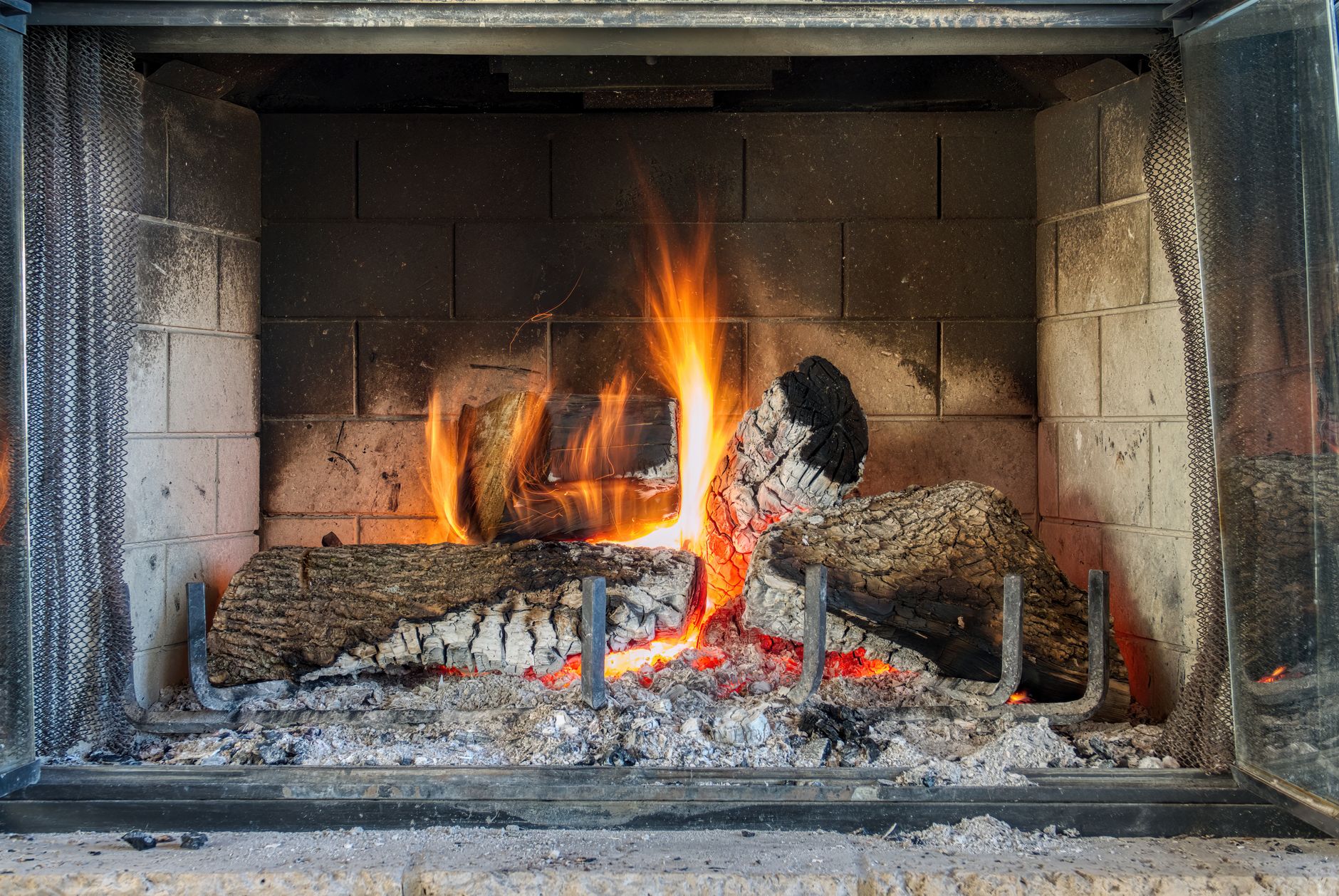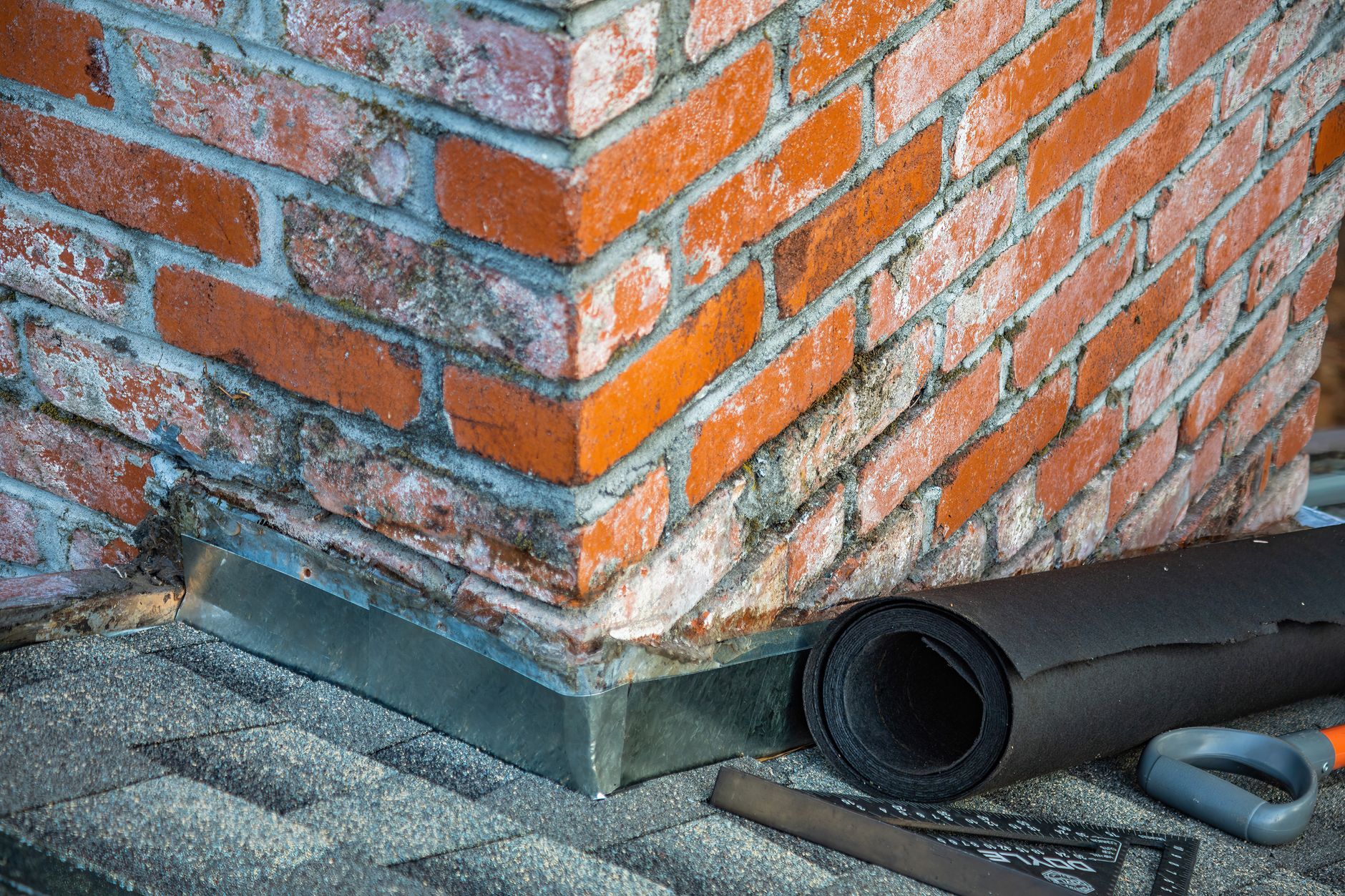
Most chimney fires are not the dramatic kind. The flue's creosote lining ignites, burns hot for a few minutes, cracks a couple of clay tiles, and goes out before anyone notices. The house is fine that night — the danger is every fire after that, burning next to a damaged liner.
What feeds a chimney fire
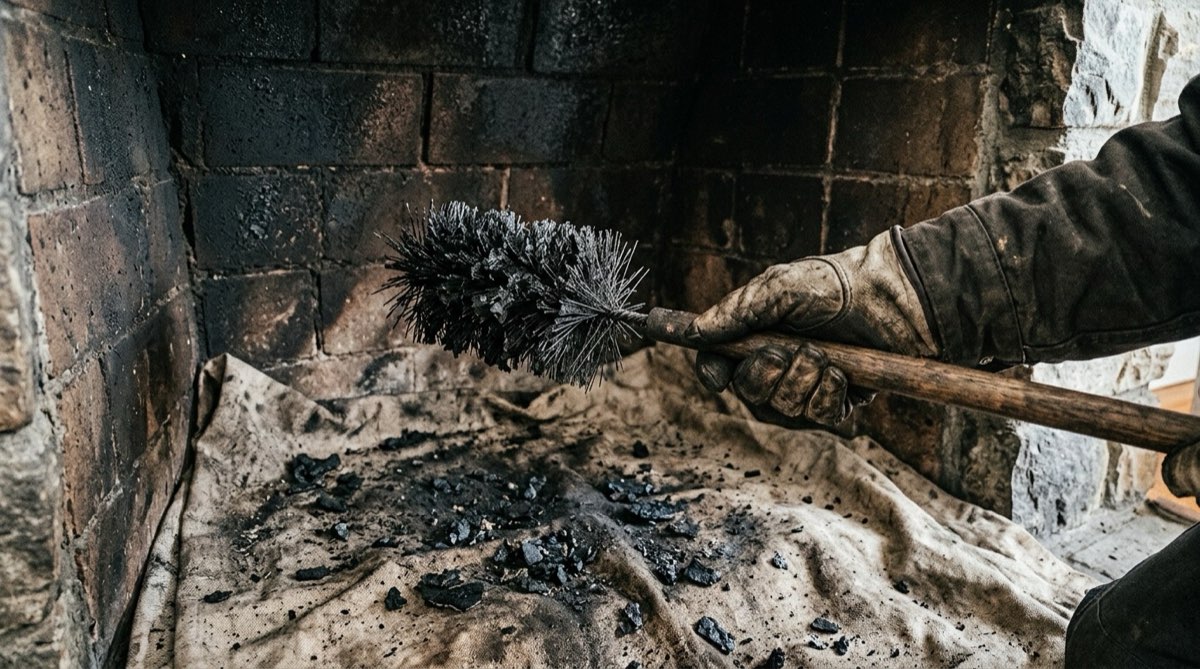
The fuel is creosote: wood smoke that condensed on the cold flue walls and stuck. It accumulates fastest when fires smolder — wet wood, air shut down for an overnight burn, or a flue so cold the smoke crawls.
Iowa's long heating season works against you here. A fireplace that runs October through April simply processes more wood than one in a milder state, and every low-and-slow fire adds another layer.
Firewood matters as much as habits. Oak and hickory split this spring is not ready this fall — around Des Moines, wood needs a full year stacked off the ground with the top covered before it burns clean.
Evidence a fire already happened
During a burn: a roaring or rumbling you have not heard before, popping from inside the chimney, sparks or heavy smoke at the cap, or masonry that is hot to the touch. That is a 911 call first and a sweep second.
After the fact, the signs are subtler — puffy, ash-gray creosote that looks like burnt marshmallow, flakes of it in the firebox, and cracked or shifted flue tiles on a camera inspection. Plenty of Des Moines homeowners find out about a past chimney fire only when they sell the house and the buyer's Level 2 inspection turns it up.
If you suspect one
Stop using the fireplace and book a camera inspection before the next burn. A cracked liner can pass heat and embers into the framing that surrounds the chimney — that is how a contained flue fire becomes a structure fire weeks later.
Get the findings in writing with photos. Your insurance carrier will want them, and so will you when it is time to scope the repair.
Burning so it doesn't repeat
Dry wood, hot fires, no smoldering overnight burns, nothing but firewood in the firebox — no wrapping paper, no cardboard boxes after the holidays. A small hot fire beats a big choked one every time.
Then let the annual inspection do its job. A flue that gets checked every fall never has the chance to build the kind of buildup that burns.
What to have ready when you call
Tell the sweep what you saw or heard, when the flue was last cleaned, what wood you burn, and whether the fireplace is masonry or a stove insert. Those four answers let them bring the right equipment and quote the visit honestly.
If you suspect a fire already happened, say so up front — that visit starts with a camera, not a brush.