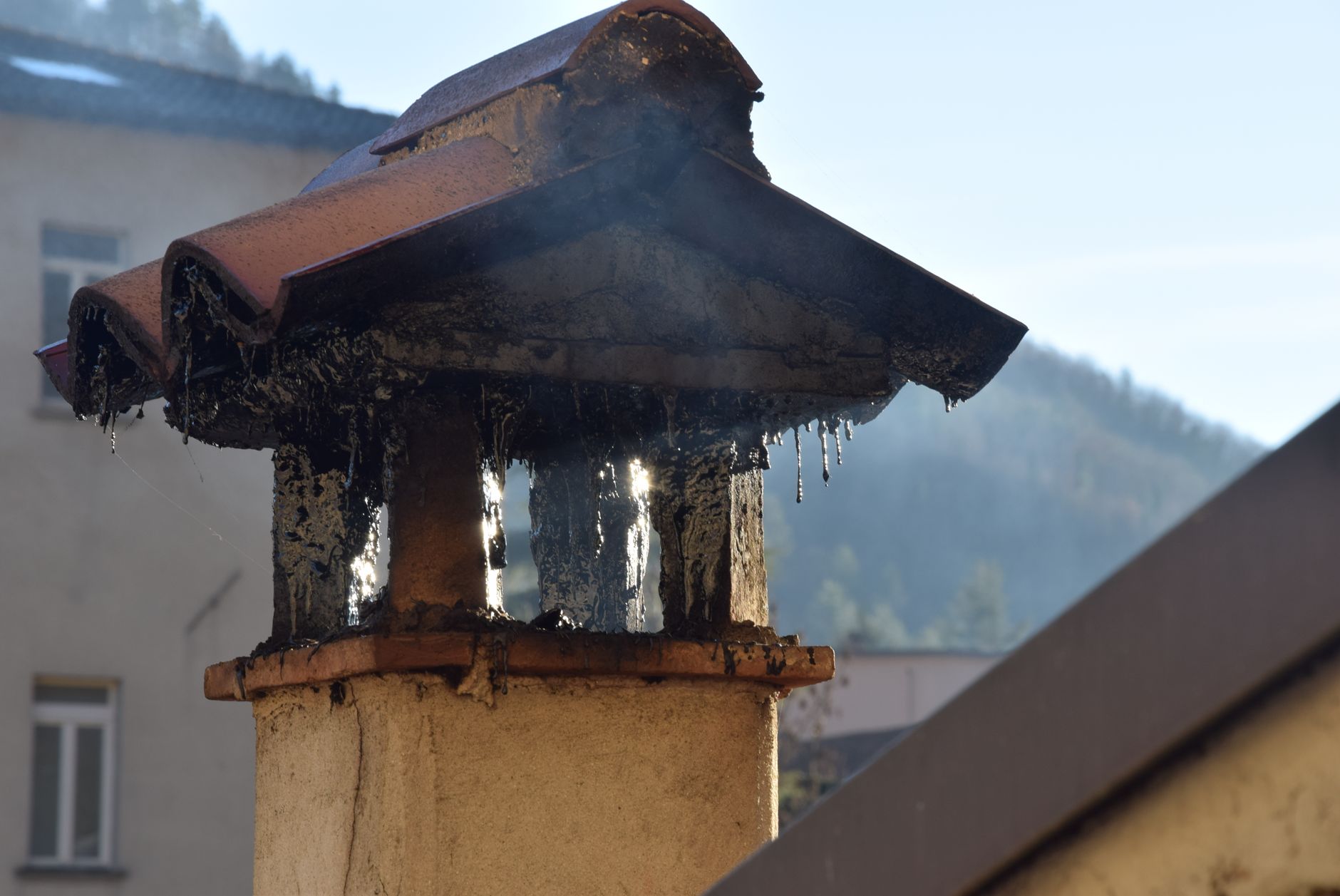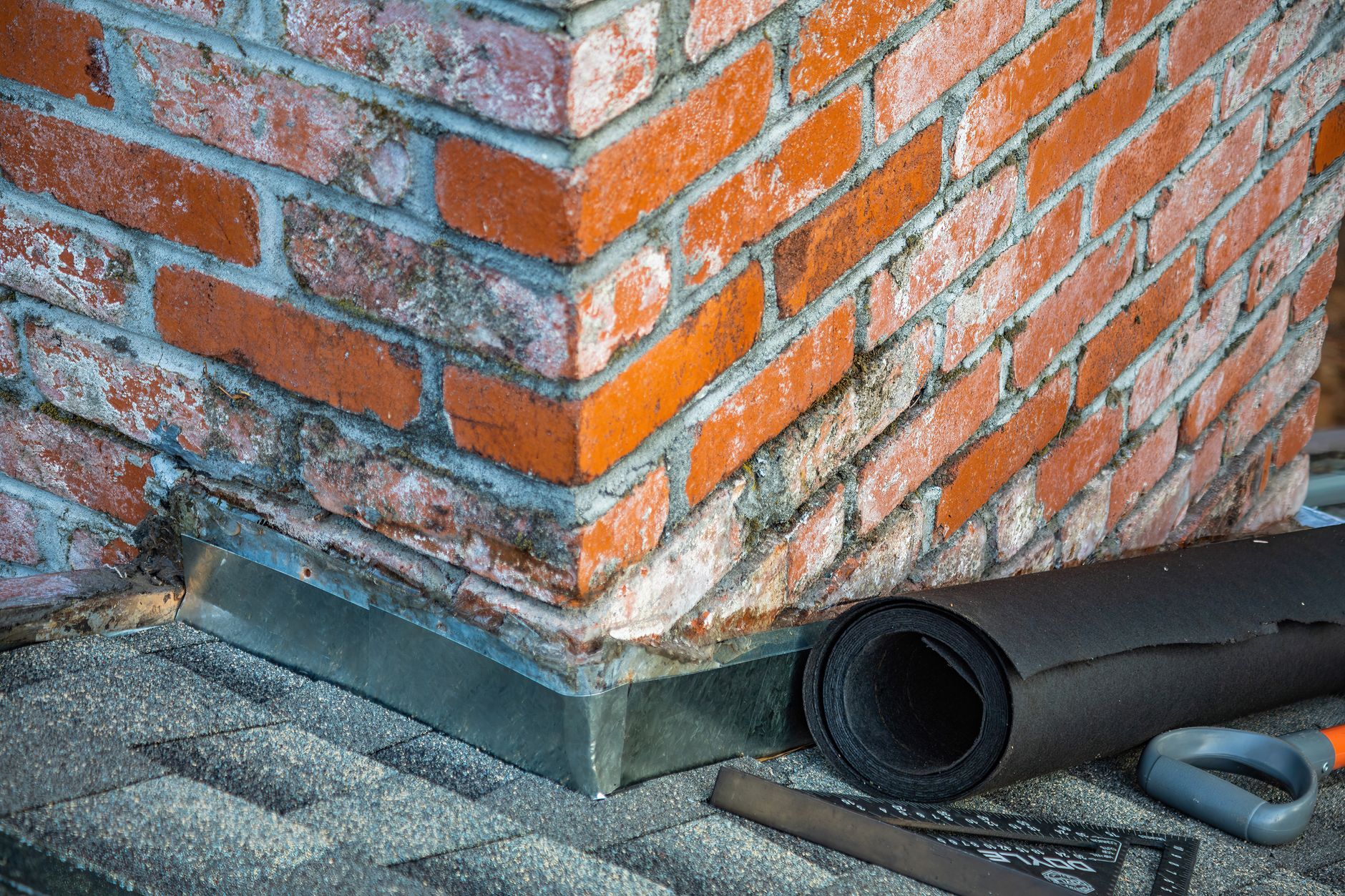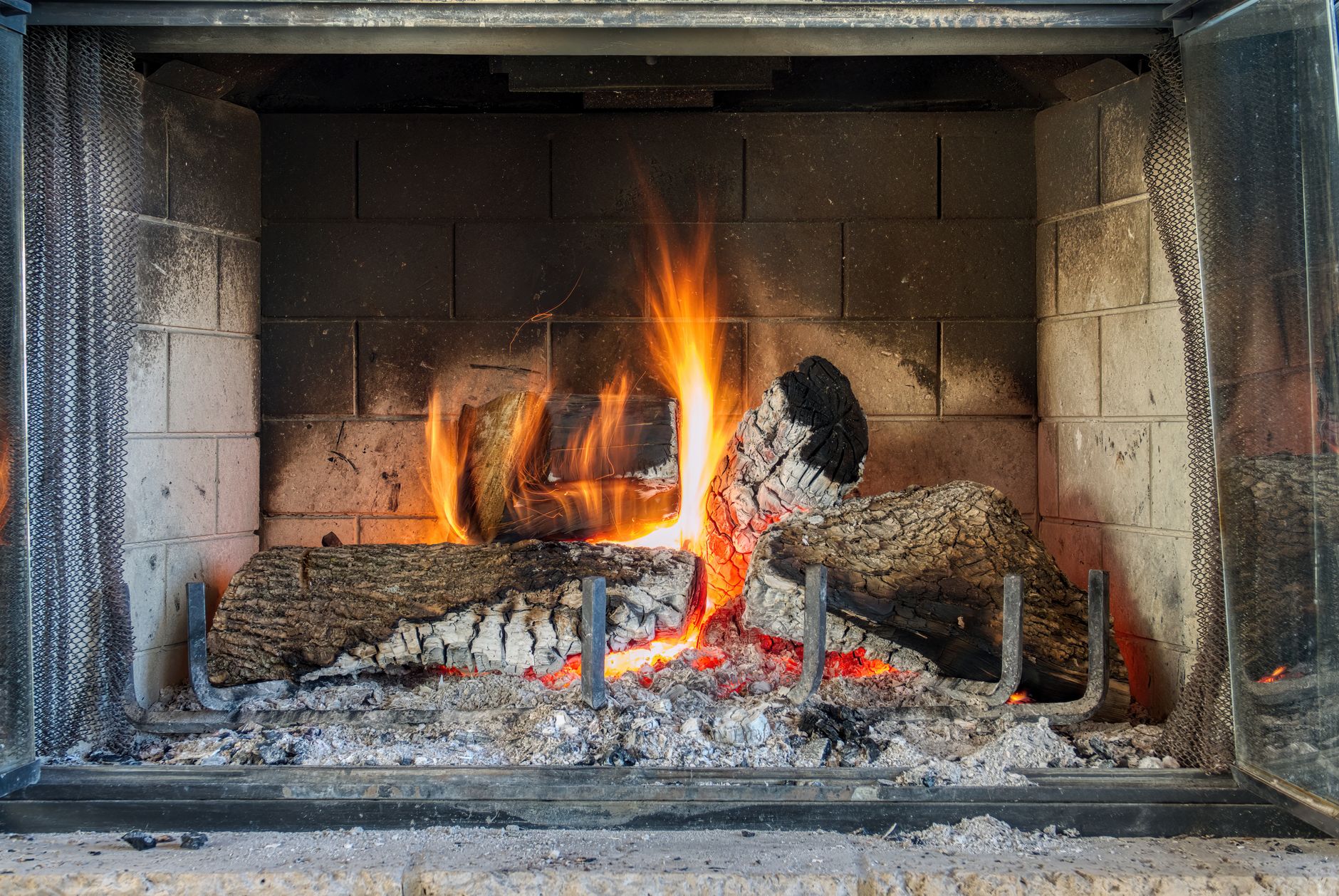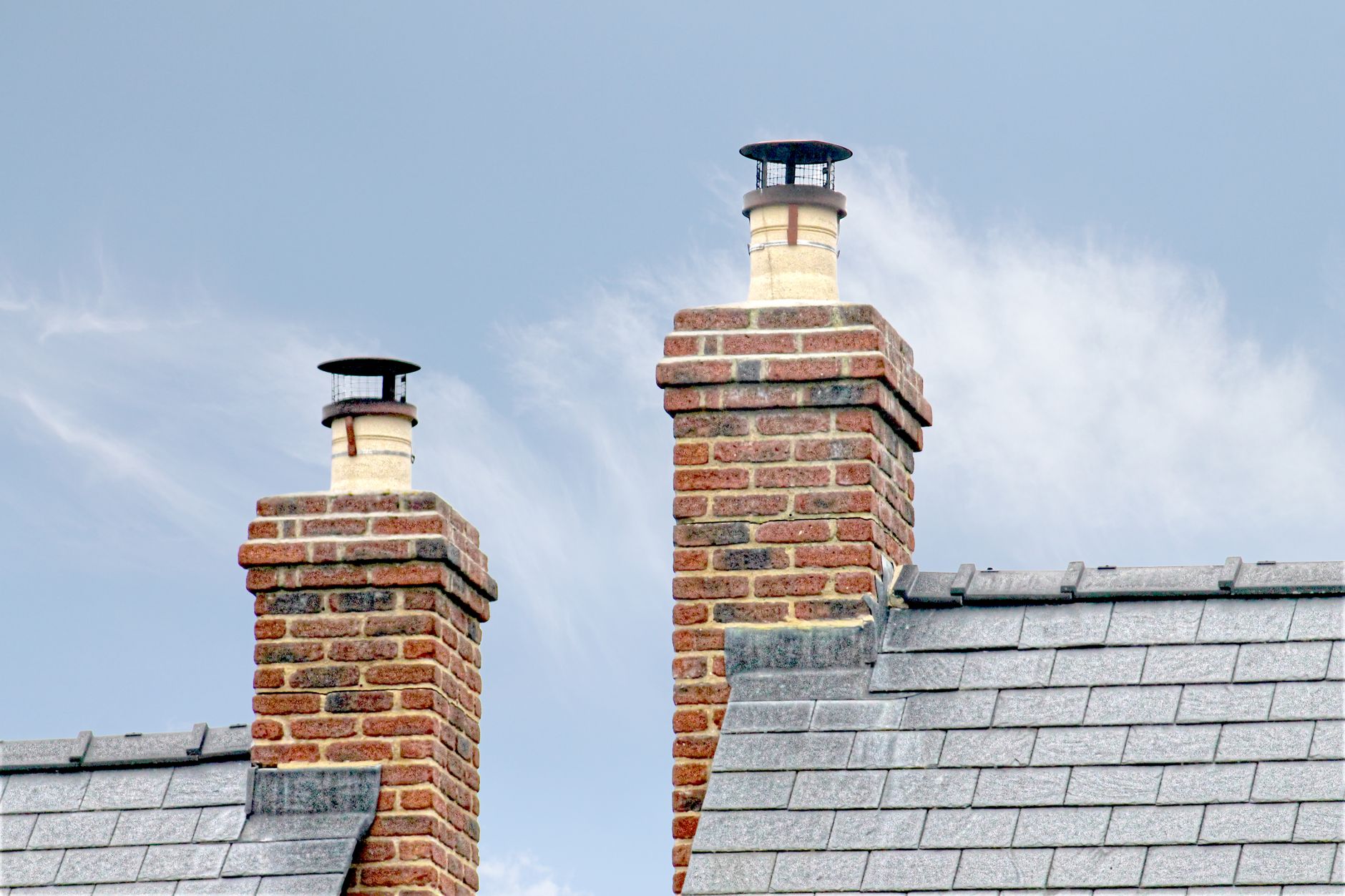
The inspection answers the only question that matters before the first November fire: is this flue safe to run all winter? Level 1 rides along with the annual sweep; Level 2 puts a camera through the flue and belongs at every home sale, after storms or a suspected flue fire, and whenever the history is unknown.
Reasons to schedule this service
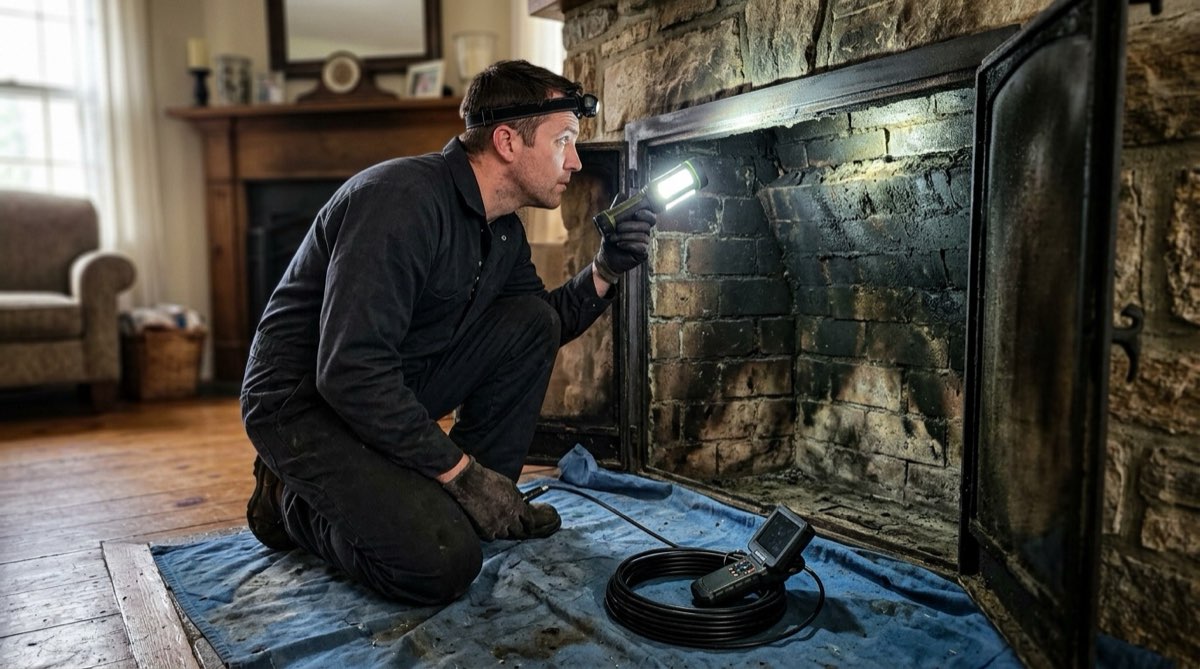
This service may be the right fit when one of these situations sounds familiar:
- the fireplace is new to the homeowner
- a home sale or remodel needs documentation
- water, odor, or draft problems need diagnosis
What matters for Des Moines properties
Water beats fire as the destroyer of Polk County chimneys — saturated brick and January freeze-thaw pop brick faces and widen crown cracks a little more each winter, all invisible from the yard. The inspection puts eyes on the crown, flashing, cap, and liner while each problem is still a small one.
What affects the estimate
- inspection level
- camera access
- fireplace or stove type
- visible damage
- roof and attic access
How the work usually goes
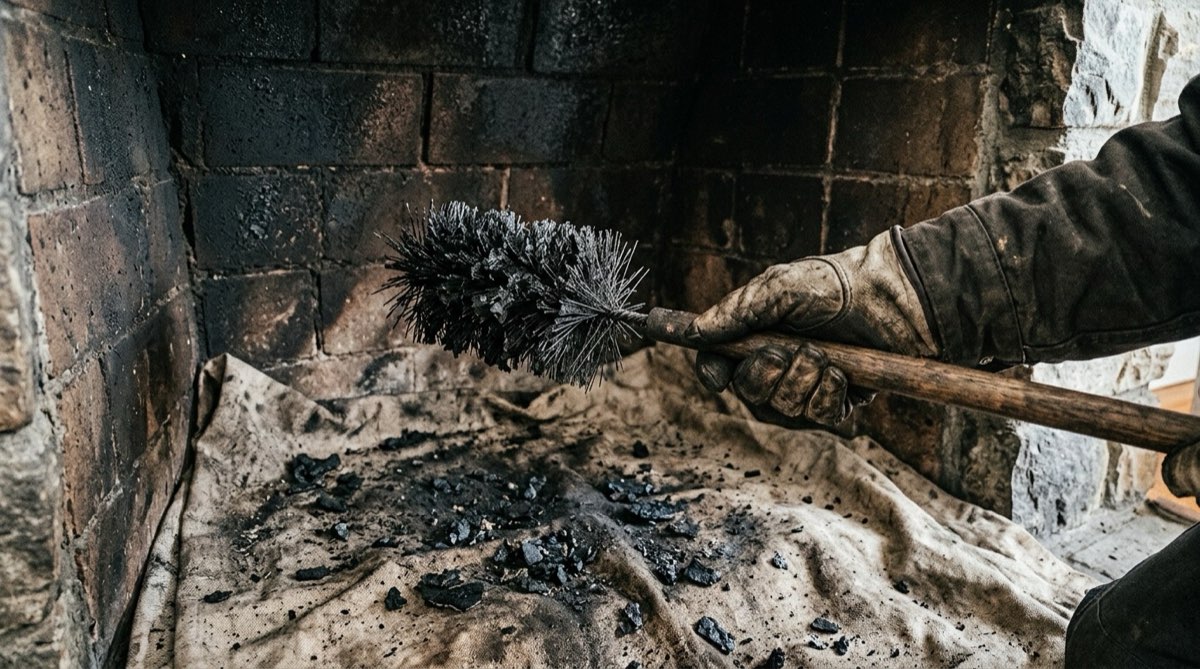
Top to bottom, it covers:
- Appliance And Access Review: Review the fireplace, stove, dryer vent, last service date, smoke, odor, water, or creosote concern.
- Flue And Exterior Inspection: Check the flue, firebox, cap, crown, flashing, roof access, and exterior chimney conditions.
- Cleaning Or Repair Plan: Decide whether the visit is cleaning, inspection, draft troubleshooting, vent cleaning, or repair planning.
- Sweep Repair Or Vent Work: Complete the sweep, fireplace cleaning, stove work, cap, flashing, or dryer vent service that fits the issue.
- Draft Leak And Safety Review: Review draft, cleanup, visible concerns, safer-use notes, and what to watch before the next burn.