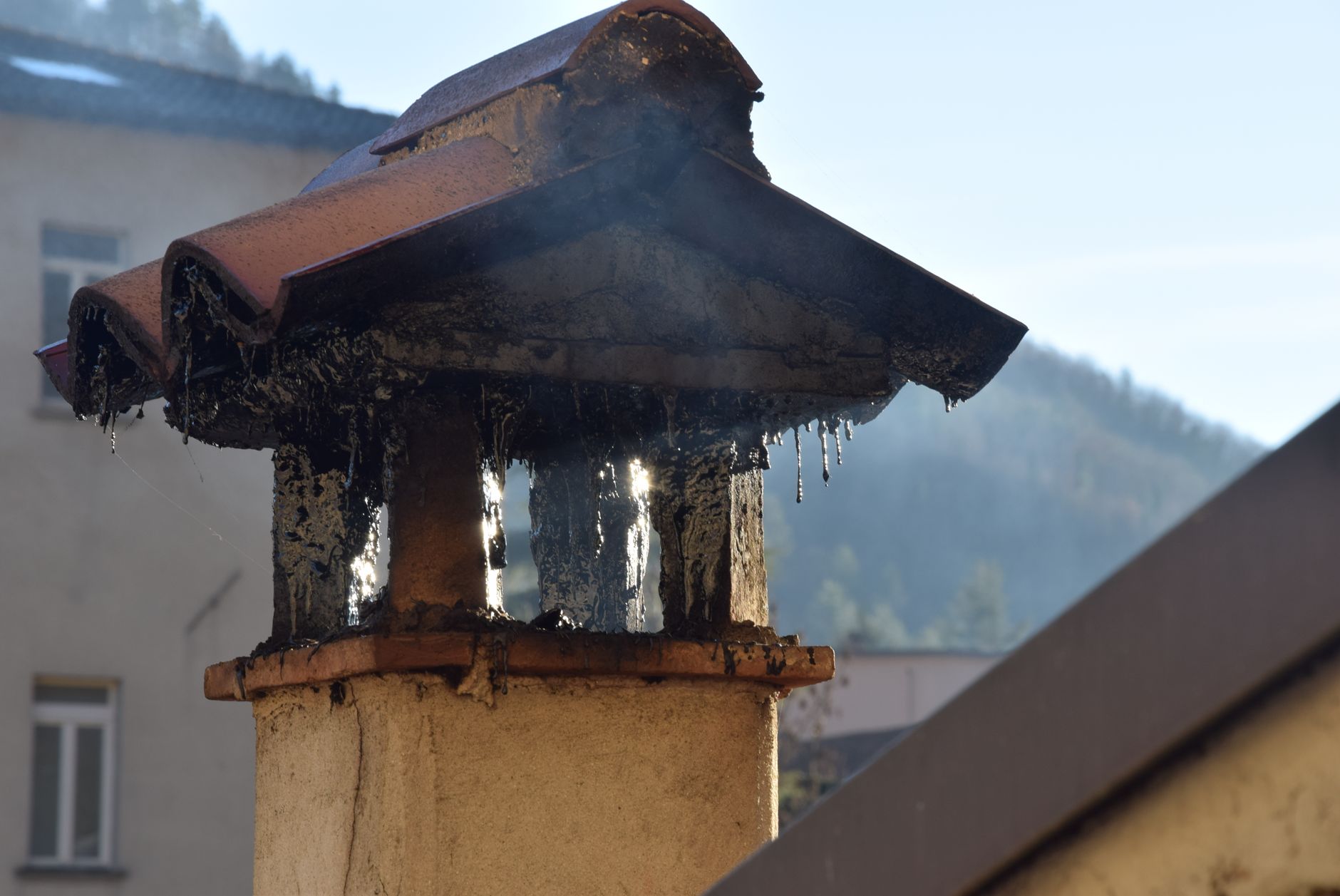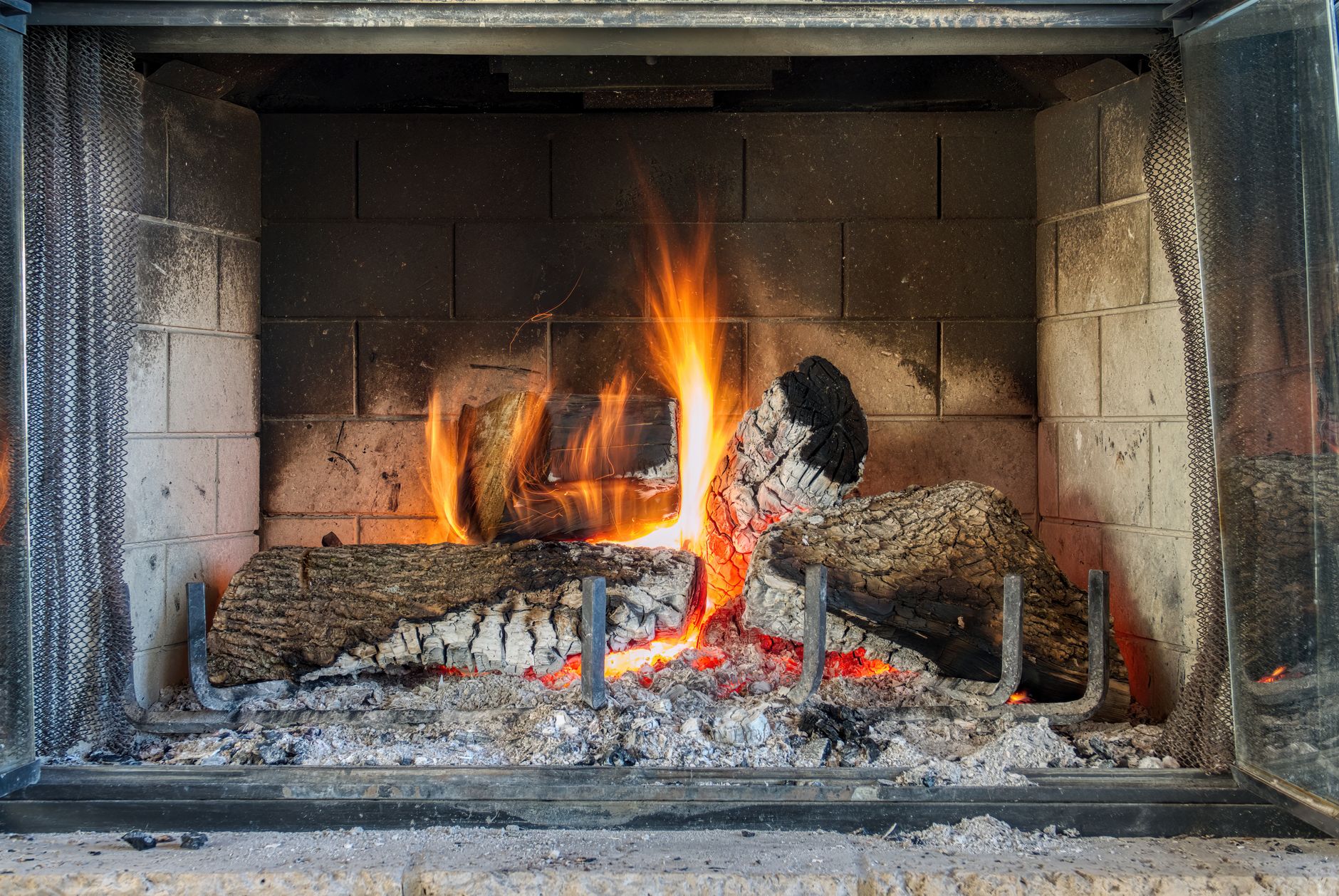
Wood stoves earn their keep through an Iowa winter and build creosote accordingly — especially in the connector pipe, which collects faster than the chimney itself. A proper cleaning usually means pulling the stove forward, brushing connector and flue separately, and checking gaskets and firebrick while everything is open.
Reasons to schedule this service
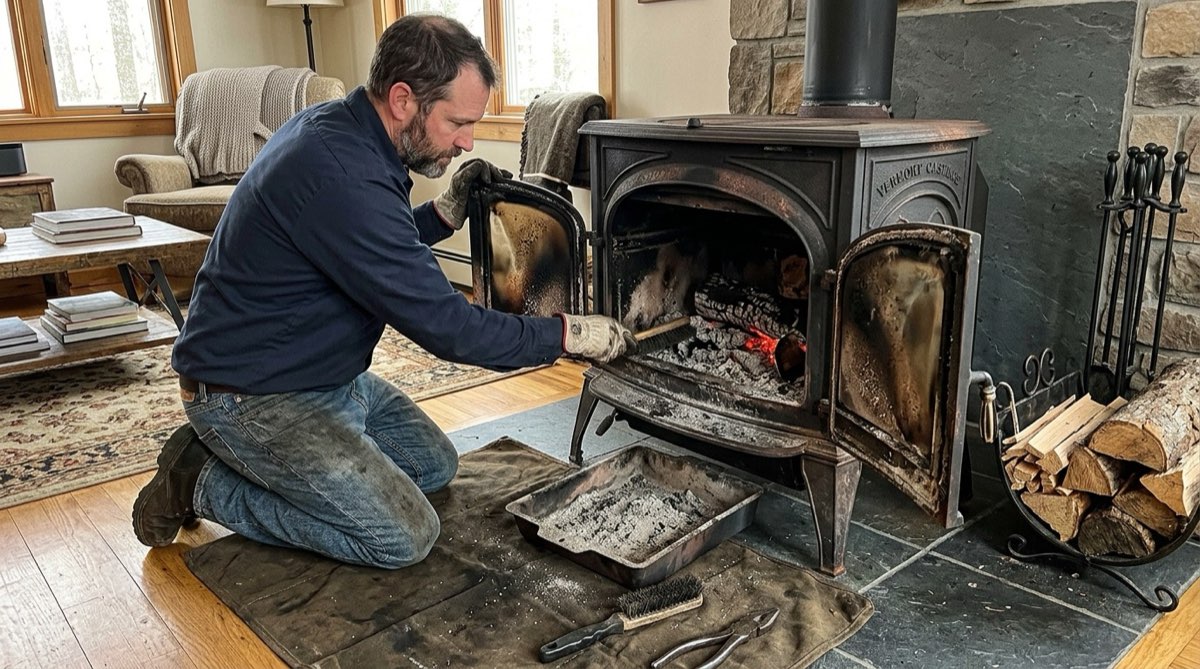
This service may be the right fit when one of these situations sounds familiar:
- the stove drafts slowly
- wood smoke spills into the room
- the stove runs through winter
What matters for Des Moines properties
A stove running daily from November to March in Des Moines can burn well over a cord of oak, much of it damped down overnight. At that pace the annual cleaning is the minimum: heavy burners should glance up the connector monthly and expect a mid-season visit in some years. Dry, year-seasoned wood is what keeps that second visit optional.
What affects the estimate
- stove model
- connector pipe layout
- burn habits
- chimney height
- clearances
How the work usually goes
Stove service has its own order:
- Appliance And Access Review: Review the fireplace, stove, dryer vent, last service date, smoke, odor, water, or creosote concern.
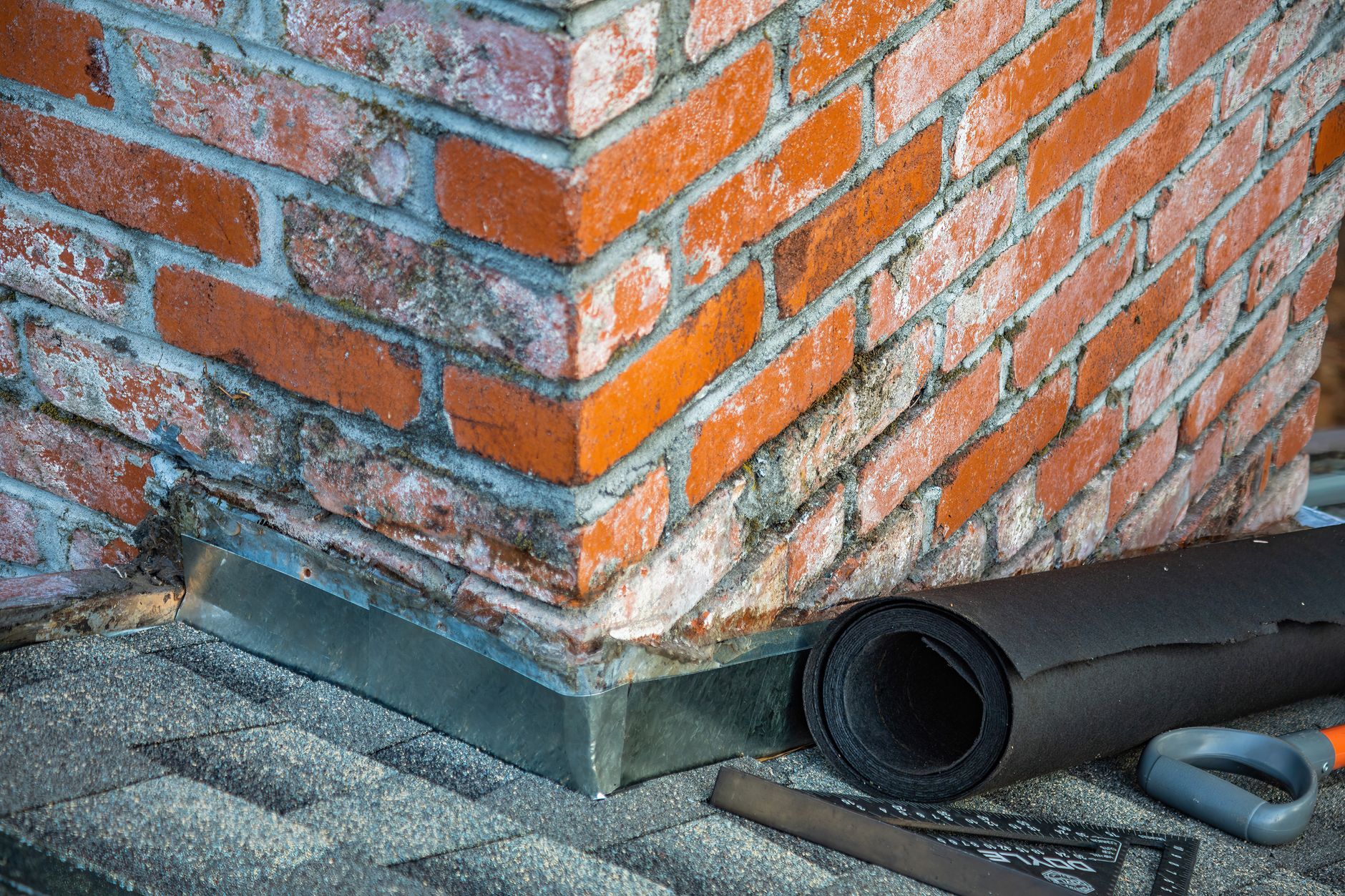
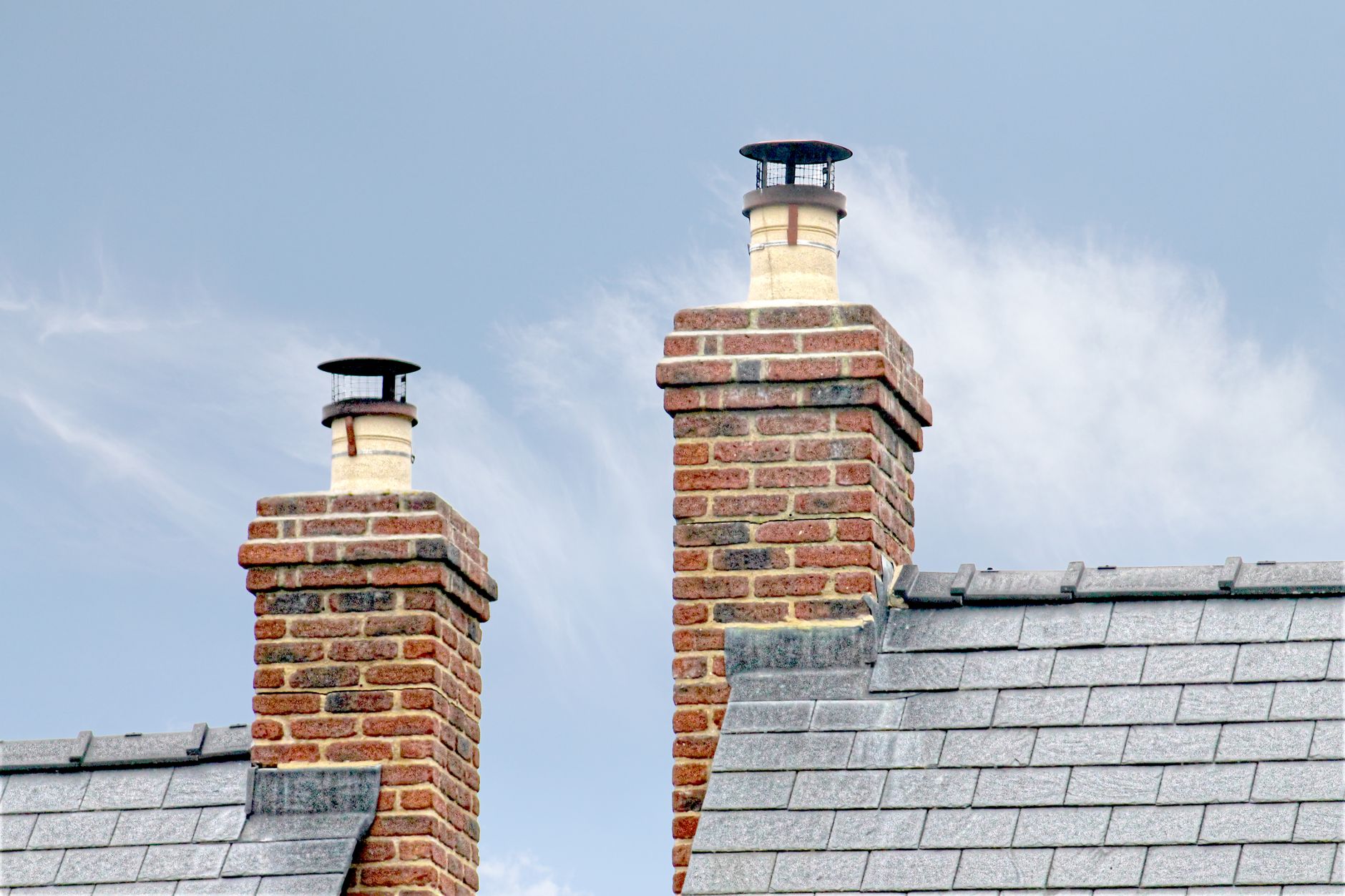
- Flue And Exterior Inspection: Check the flue, firebox, cap, crown, flashing, roof access, and exterior chimney conditions.
- Cleaning Or Repair Plan: Decide whether the visit is cleaning, inspection, draft troubleshooting, vent cleaning, or repair planning.
- Sweep Repair Or Vent Work: Complete the sweep, fireplace cleaning, stove work, cap, flashing, or dryer vent service that fits the issue.
- Draft Leak And Safety Review: Review draft, cleanup, visible concerns, safer-use notes, and what to watch before the next burn.