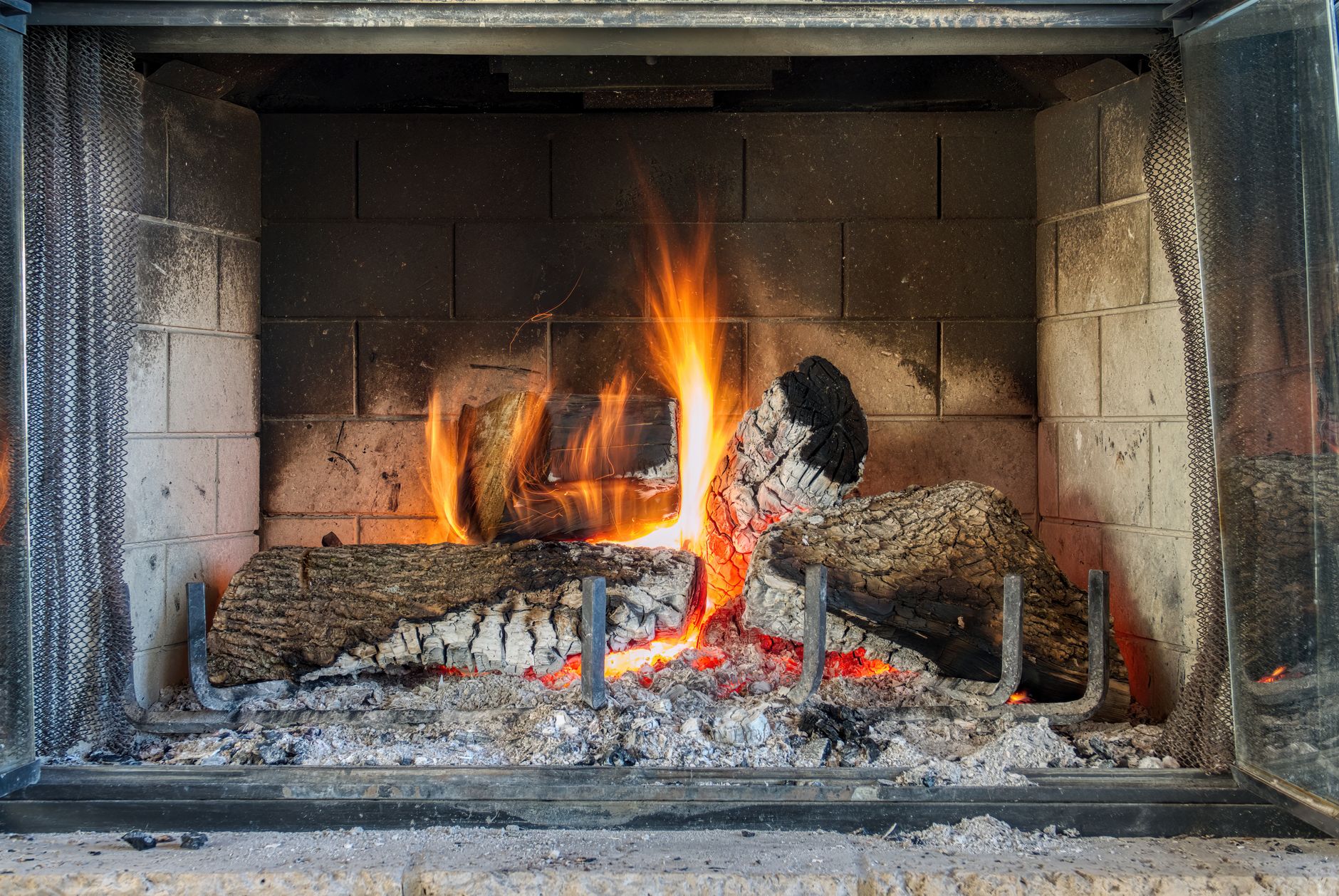
A chimney inspection is not one product — the industry standard (NFPA 211) defines three levels. Level 1 is the visual once-over that comes with a sweep. Level 2 adds a camera run through the flue and applies at every home sale, after any chimney fire or storm hit, and when appliances change. Level 3 opens walls and is rare. Knowing which one you need keeps the conversation honest.
Inside the flue
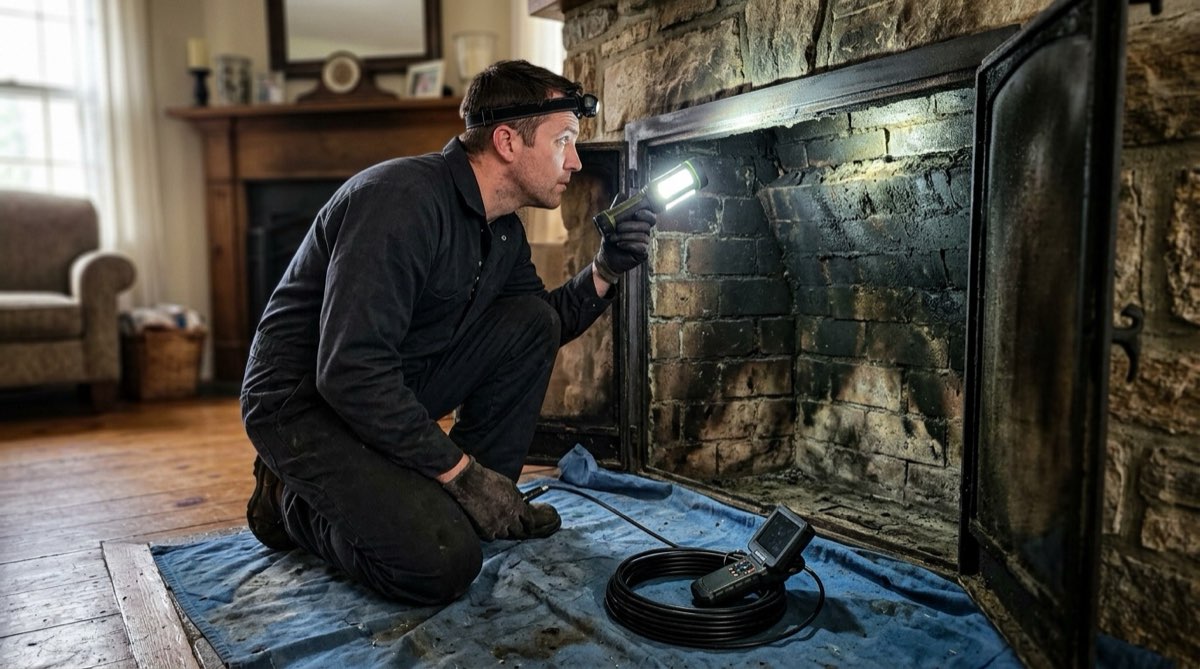
The camera is looking for cracked tiles, open mortar joints between them, and gaps where a liner section shifted. Any of these can leak flue gases toward framing, and none of them are visible from the firebox with a flashlight.
Above the firebox sits the smoke chamber, which honest inspectors check closely — rough corbeled brick up there grabs creosote and chokes draft, and it is a common finding in Des Moines homes from the 1920s through the 1950s.
The weather side
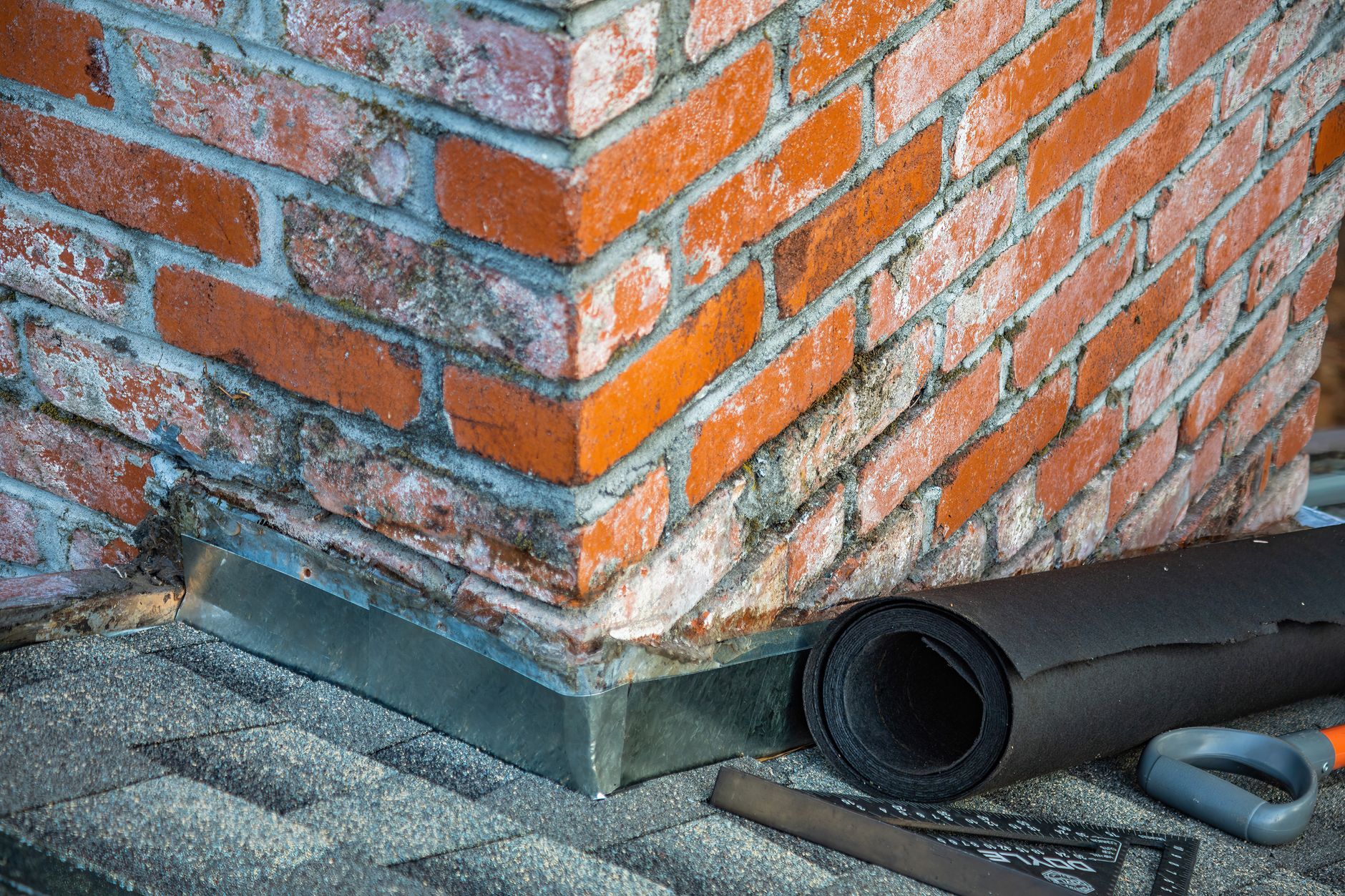
Iowa freeze-thaw is the chimney's real enemy. Brick soaks up fall rain, January cold pops the faces off, and the crown — the concrete cap that sheds water — cracks a little wider every cycle.
So the exterior portion of the inspection matters as much as the camera: crown condition, flashing where brick meets shingles, cap and screen, and any white staining or spalled brick that says water is already inside the masonry.
Timing it right
For your own house, late summer is the smart window — ahead of the October-November rush, with time to fix findings before the first cold snap.
For a home purchase, build the Level 2 into the inspection period and insist on the written report with photos. It is a small line item against the cost of inheriting a cracked liner.
Questions that separate good companies
Ask which level you are getting, whether the camera is included, and what documentation you receive. Vague answers to those three questions are their own answer.
And ask what happens if they find damage: the right response is photos plus a separate written repair estimate — not a discount that expires while the truck is still in your driveway.
The bottom line
Match the inspection level to the situation: Level 1 with the annual sweep, Level 2 with a camera at any sale, suspected fire, or unknown history. Insist on the written report with photos either way.
Booked in late summer, the whole exercise is quick, cheap information — and it is the difference between fixing a hairline crown crack in October and rebuilding a chimney top in spring.